The Silent Threat Beneath the Waves: Understanding Marine Corrosion and Its Impact on Maritime Structures
In the vast expanse of the world’s oceans, where saltwater meets metal, an invisible adversary lurks—marine corrosion. This insidious process silently undermines the integrity of ships, offshore platforms, and underwater infrastructure, posing significant risks to safety, functionality, and longevity.
Marine corrosion is not merely a surface issue; it delves deep into the very fabric of maritime engineering. From rusted hulls to weakened support structures, its effects are far-reaching and often underestimated by those who do not fully grasp its complexity and consequences.
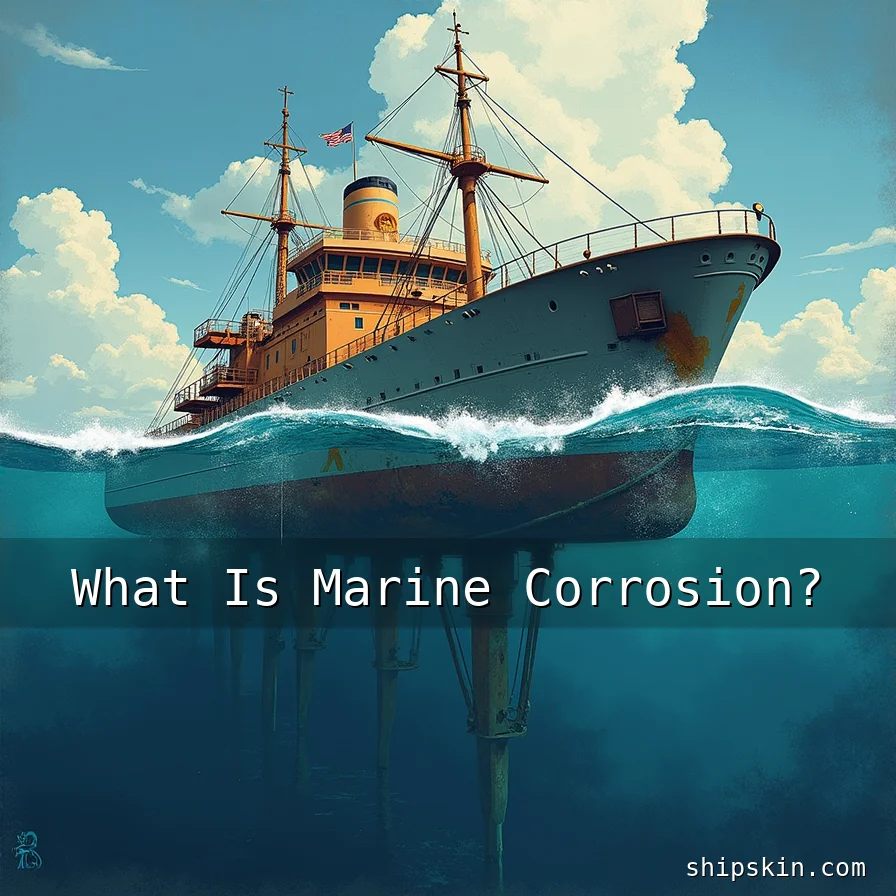
What Is Marine Corrosion?
Marine corrosion refers to the degradation of materials, particularly metals, due to chemical reactions occurring in seawater environments. It primarily involves oxidation processes that convert iron-based alloys into oxides, commonly known as rust.
This form of corrosion is exacerbated by factors such as high salinity levels, fluctuating temperatures, and exposure to oxygen-rich waters. These elements combine to create conditions ideal for accelerating the deterioration of structural components used in naval architecture and marine construction.
- Salt Content: Seawater contains approximately 3.5% dissolved salts, mainly sodium chloride, which significantly increases electrical conductivity and accelerates electrochemical reactions.
- Oxygen Availability: Oxygen from both air and water plays a crucial role in facilitating redox reactions essential for corrosion development.
Mechanisms Behind Marine Corrosion
To understand how marine corrosion progresses, it is vital to examine the underlying mechanisms driving these destructive chemical transformations. One primary mechanism is galvanic corrosion, which occurs when two different metals come into contact within an electrolyte solution—in this case, seawater.
Galvanic corrosion follows a simple yet powerful principle: less noble metals will corrode preferentially compared to their more noble counterparts. This phenomenon can lead to rapid degradation at junction points where dissimilar metals meet aboard vessels or in subsea equipment.
Electrolysis also contributes greatly to marine corrosion through cathodic protection systems designed to prevent material loss via sacrificial anodes made from zinc or aluminum alloys. When properly implemented, these methods divert corrosive activity away from critical ship components.
Types of Marine Corrosion
Different forms of corrosion manifest themselves under various environmental conditions encountered during prolonged exposure to marine environments. One prevalent type is pitting corrosion—a localized form characterized by small holes developing over time along surfaces exposed to saline solutions.
Pitting corrosion typically initiates at micro-cracks or imperfections present on metallic surfaces before spreading outward. These pits may eventually become stress concentrators capable of causing catastrophic failures if left unchecked.
- Crevice Corrosion: Occurs in tight spaces between adjacent parts where moisture accumulation leads to differential aeration cells forming inside confined areas.
- Intergranular Corrosion: Affects weld zones where impurities concentrate along grain boundaries leading to selective leaching out certain constituents thereby weakening overall structure strength.
Impact of Marine Corrosion on Ship Components
Vessels operating in coastal regions face relentless battles against corrosion affecting everything from propellers to rudders. Propeller blades subjected to constant rotation experience uneven wear patterns combined with accelerated erosion rates due to turbulent flow dynamics around them.
Rudder mechanisms suffer similar fates as they endure continuous force exertions while navigating rough seas. Over time, even minor cracks initiated by initial stages of corrosion could expand exponentially under mechanical stresses imposed upon these pivotal steering units.
Hull plating remains another vulnerable area prone to severe damage caused by biological fouling organisms adhering onto outer layers creating additional resistance against protective coatings applied initially post-construction phases.
Biological growths introduce new variables impacting hydrodynamic performance characteristics thus necessitating regular inspections alongside routine maintenance procedures aimed at preserving original design specifications undisturbed by external interferences.
Factors Influencing Rate of Marine Corrosion
Several key parameters determine how quickly any given piece of maritime hardware succumbs to corrosion-induced decay. Among these influential aspects include ambient temperature fluctuations, pH level variations inherent across global ocean basins, presence/absence of protective films naturally formed atop most ferrous substances.
Higher temperatures generally enhance reaction kinetics promoting faster molecular interactions contributing towards quicker breakdown processes among affected materials. Conversely lower temps might slow down some reactions though still pose long-term threats especially considering cumulative effect timelines involved here.
pH levels play equally critical roles since acidic environments tend promote dissolution rates whereas alkaline ones offer somewhat greater degrees of stability albeit limited compared to neutral mediums preferred ideally by engineers designing modern fleets today.
Protective films refer specifically towards passive layers generated spontaneously whenever clean steel interacts directly with atmospheric gases containing oxygen molecules enabling formation thin oxide barriers shielding core substrate underneath until disturbed externally somehow later on.
Preventative Measures Against Marine Corrosion
A multifaceted approach combining proactive strategies alongside reactive interventions proves most effective strategy available currently concerning combatting pervasive issues surrounding marine corrosion challenges faced globally everyday.
Cathodic protection represents cornerstone technique widely adopted industry wide involving use either impressed current method utilizing external power sources feeding electrons back onto targeted assets requiring safeguarding versus traditional sacrificial anode approaches relying purely upon self-sacrificing elements undergoing gradual consumption instead.
Coatings constitute another fundamental layer defense system providing physical separation between corrosive agents residing outside and sensitive inner workings contained safely within respective enclosures maintained through careful application techniques ensuring full coverage without gaps allowing entry points potentially compromising entire setups otherwise protected adequately beforehand.
Regular inspection schedules coupled rigorous cleaning protocols serve indispensable functions maintaining optimal operational status continuously throughout service life spans expected normally assigned individual vessels deployed worldwide regularly.
Economic Implications of Unchecked Marine Corrosion
Failing to address marine corrosion effectively results staggering financial burdens borne jointly amongst stakeholders including manufacturers, operators, insurers alike needing compensate losses incurred annually because neglectful practices continue unabated despite warnings issued repeatedly regarding importance vigilance required managing such threats appropriately.
Estimates suggest billions dollars spent yearly solely repairing damages attributed directly indirect causes stemming largely uncontrolled spread corrosion phenomena persistently ignored unless compelled legally mandated actions enforced strictly following established standards governing minimum acceptable tolerances permissible within regulated sectors concerned heavily reliant aquatic transport networks.
Insurance claims related incidents arising frequently linked together events triggered primarily due failure maintain adequate preventive measures throughout lifespan particular asset designated originally intended serve specified purpose exclusively defined prior deployment commenced operations commenced accordingly.
Moreover hidden costs associated downtime periods necessary implement remedial works after identifying signs early stage detection proves equally detrimental economically besides obvious visible expenses tied tangible repairs carried out physically observable manner visible immediately upon examination conducted visually routinely scheduled intervals determined based risk assessments performed periodically according guidelines set forth authoritative bodies overseeing relevant domains professionally managed systematically organized fashion ensuring consistency reliability outcomes achieved consistently predictable manner irrespective location differences encountered varying geographical contexts.
Future Trends in Marine Corrosion Prevention Technologies
Advancements technology ongoing promising avenues exploration addressing longstanding challenges posed persistent nature marine corrosion problem confronting maritime industries everywhere continually seeking innovative solutions improving existing methodologies enhancing durability resilience constructions employed future projects planned executed coming years ahead.
Nano-coatings represent exciting frontier offering unprecedented advantages superior barrier properties enhanced adhesion capabilities increased flexibility allowing conform better complex geometries typical found many structural elements integral functioning complete vessel operation efficiently seamlessly integrated designs optimized maximize efficiency minimize waste resources utilized manufacturing assembly phases preceding final commissioning milestones reached successfully completed successfully validated thoroughly tested extensively verified compliance stringent regulatory requirements applicable jurisdictions involved collaborative efforts shared internationally facilitated organizations dedicated promoting sustainable development objectives aligned broader environmental conservation goals pursued collectively across globe united pursuit common good benefit mankind universally.
Self-healing materials constitute another groundbreaking innovation poised revolutionize field entirely eliminating need frequent reapplication conventional paints coatings currently relied heavily upon mitigating effects corrosion processes actively monitored controlled dynamically responding changes environmental stimuli automatically activating repair mechanisms embedded strategically located positions throughout composite matrices engineered precisely calculated proportions guaranteeing uniform distribution reinforcement strengthening compromised areas promptly restoring original condition previously existed intact untouched before exposure occurred initially.
Smart sensors equipped advanced monitoring algorithms enable real-time tracking progression corrosion rates detecting anomalies instantly transmitting alerts central control hubs initiating immediate responses preventing escalation situations escalating uncontrollably beyond manageable thresholds risking irreparable harm permanent damage requiring extensive reconstruction efforts耗费大量资源时间精力重新开始从头再来浪费巨大人力物力财力投入最终导致项目延期交付甚至被迫放弃原定计划造成不可挽回的经济损失。
Conclusion
Marine corrosion stands as formidable challenge demanding sustained attention commitment ensure safe reliable operation vessels infrastructures vital supporting global economy trade activities undertaken daily millions people worldwide depend upon uninterrupted services provided diligently maintained meticulously inspected periodically evaluated updated accordance evolving technological advancements emerging best practices endorsed expert communities engaged deeply passionate about protecting our precious maritime heritage against relentless forces working tirelessly degrade destroy what we hold dear.
By embracing cutting-edge prevention technologies fostering culture proactive maintenance cultivating awareness importance subject matter among professionals enthusiasts alike, we empower ourselves ability confront head-on adversities lie ahead confidently knowing robust defenses already erected ready repel invasive threats threatening undermine foundations upon which modern seafaring endeavors built securely anchored firmly solid ground ensured prosperity generations unborn yet to come.