The Anatomy and Engineering of Vessel Hulls: A Deep Dive into Ship Construction
The vessel hull is the backbone of any ship, serving as both its structural foundation and primary barrier against the harsh marine environment. From ancient wooden vessels to modern steel behemoths, the design and construction of hulls have evolved dramatically over centuries.
This exploration delves into every aspect of vessel hull engineering, from material choices and structural integrity to hydrodynamic efficiency and safety standards. Whether you’re a maritime enthusiast or an aspiring naval architect, understanding the intricacies of hull design is essential knowledge.
Fundamental Principles of Hull Design
Vessel hulls are engineered using fundamental principles that balance strength, weight distribution, and buoyancy requirements. These principles ensure that a ship can withstand oceanic forces while maintaining stability and maneuverability.
One critical principle is the concept of displacement, which determines how much water a vessel displaces relative to its weight. Proper displacement management prevents capsizing and ensures optimal performance under various sea conditions.
Buoyancy calculations play an equally vital role in hull design. Engineers use Archimedes’ Principle to determine the volume of displaced water required for different load scenarios, ensuring safe operation across diverse operational parameters.
- Material Selection: Modern hulls typically employ high-strength steels, aluminum alloys, or composite materials depending on the vessel’s purpose and environmental exposure.
- Hull Shape Optimization: Streamlined forms reduce drag and improve fuel efficiency, making this factor crucial for commercial shipping and military applications alike.
Evolving Materials in Hull Construction
The evolution of hull materials has been instrumental in shaping modern maritime technology. Traditional wood was gradually replaced by iron and then steel during industrialization, marking significant advancements in durability and scale.
Contemporary shipbuilding utilizes advanced composites such as carbon fiber reinforced polymers (CFRPs) and fiberglass-reinforced plastics (FRPs). These materials offer exceptional strength-to-weight ratios while resisting corrosion better than traditional metals.
Innovations continue with hybrid systems combining metal frames with polymer skins, providing enhanced protection against biological fouling without sacrificing structural rigidity.
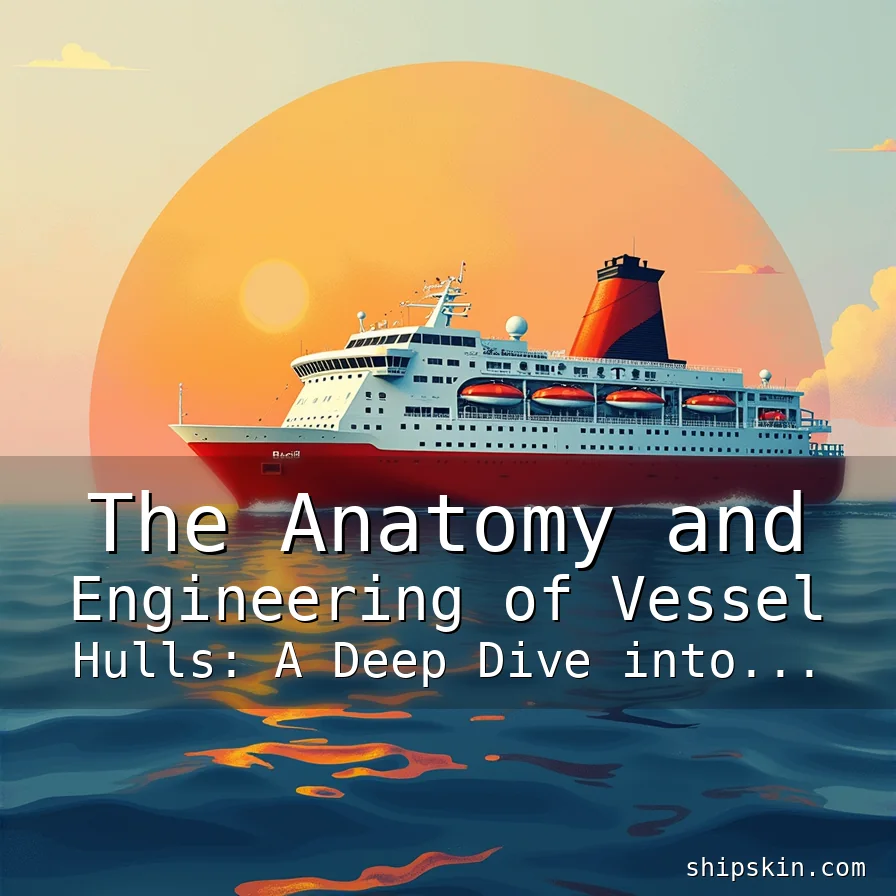
For example, cruise ships often feature aluminum superstructures paired with steel hulls to optimize weight distribution and enhance overall stability characteristics.
Each material choice impacts not only cost but also maintenance needs; stainless steel requires less frequent inspections compared to standard mild steel used in bulk carriers.
Structural Integrity and Safety Standards
Maintaining structural integrity is paramount in vessel hull design to prevent catastrophic failures at sea. This involves rigorous adherence to international maritime regulations and continuous innovation in reinforcement techniques.
Safety certifications like those issued by the International Maritime Organization (IMO) mandate minimum thickness specifications for plating based on expected service environments ranging from coastal waters to open oceans.
Corrosion resistance plays a key role in long-term reliability. Cathodic protection systems involving sacrificial anodes or impressed current methods help mitigate electrochemical degradation processes affecting underwater portions of the hull.
Regular drydocking procedures allow for thorough inspection and repair work, including ultrasonic testing to detect internal stress fractures before they become hazardous issues.
Additionally, double-hull designs have become increasingly common among oil tankers following incidents highlighting vulnerabilities associated with single-layer constructions.
Hydrodynamic Efficiency in Hull Forming
Optimizing hydrodynamic efficiency through careful hull forming significantly enhances fuel economy and reduces emissions. The shape of the hull influences wave-making resistance, skin friction losses, and overall propulsion system effectiveness.
Cutting-edge computational fluid dynamics (CFD) software enables designers to simulate real-world sailing conditions accurately, allowing them to refine hull profiles iteratively until achieving desired performance metrics.
Twin-skeg configurations and bulbous bows represent some of the most effective modifications aimed at minimizing turbulence effects around propellers and reducing energy consumption during transit operations.
These features contribute directly towards meeting stringent environmental regulations imposed by bodies such as the Environmental Protection Agency (EPA), especially concerning greenhouse gas emissions from large container ships traversing global trade routes.
By integrating these elements thoughtfully, engineers achieve substantial improvements in range capabilities without compromising cargo capacity or passenger comfort levels aboard merchant vessels.
Specialized Hull Designs Across Ship Types
Different types of ships require specialized hull designs tailored specifically to their functions and operating environments. Cruise liners prioritize passenger experience with wide decks and smooth rides, whereas freighters emphasize maximizing deadweight tonnage within strict dimensional constraints.
Bulk carriers utilize hopper bottom structures featuring sloped sides facilitating easy unloading via gravity feed mechanisms. Tanker ships incorporate longitudinal compartments containing ballast tanks designed to maintain equilibrium during loading/unloading cycles.
Naval warships benefit from tumblehome designs where upper decks slope inward, improving seaworthiness while simultaneously concealing weapon systems effectively from enemy viewlines.
Luxury yachts might adopt deep-V hull shapes offering superior handling qualities even amidst rough seas, contrasting sharply with flat-bottomed barges intended solely for inland river transport purposes.
Understanding these variations helps professionals select appropriate solutions when commissioning new builds or retrofitting existing fleets according to evolving industry demands.
Environmental Considerations in Hull Development
Modern hull development incorporates numerous environmentally conscious strategies aimed at mitigating ecological footprints left behind by maritime activities worldwide. Reducing fuel burn rates remains central due largely to increasing concerns regarding climate change implications linked primarily to CO₂ emissions generated by diesel engines powering massive seaborne commodities networks.
Persistent organic pollutants (POPs) pose another challenge addressed through non-fouling coatings applied onto external surfaces exposed continuously beneath saltwater conditions. These substances hinder attachment attempts made by barnacles and other organisms seeking refuge upon metallic substrates.
Ballast water treatment units now mandated globally aim to prevent invasive species transfer between distinct geographic regions inadvertently carried along with discharged fluids originating from prior voyages undertaken elsewhere on Earth’s surface.
Moreover, recycling initiatives target end-of-life decommissioned vessels whose components may still hold considerable value despite being considered obsolete within contemporary fleet compositions.
Such measures collectively demonstrate growing awareness surrounding sustainability goals pursued jointly by governments regulating maritime sectors alongside private enterprises engaged heavily within related supply chains.
Maintenance Practices Ensuring Longevity
Routine maintenance routines form integral aspects contributing toward prolonging useful lifespans attributed to individual vessel hulls constructed utilizing varying degrees of technological sophistication. Preventative care schedules usually dictated by manufacturer guidelines combined with onboard monitoring devices provide early warnings indicative of potential problems requiring attention sooner rather than later.
Coatings applied externally serve dual purposes encompassing aesthetics enhancement plus functional roles relating specifically back towards preserving original physical properties inherent within base materials employed initially during fabrication stages preceding actual deployment phases commencing post-construction completions.
Underwater inspections conducted periodically involve divers equipped appropriately assessing condition status visually alongside employing sonar imaging technologies capable detecting anomalies hidden beyond normal visibility ranges obtainable merely through conventional observational methodologies alone.
Internal checks focus mainly upon verifying adequacy maintained consistently throughout duration periods elapsed since last full-scale overhaul sessions performed comprehensively covering all accessible areas deemed susceptible potentially developing defects prone leading ultimately towards compromised structural soundness statuses.
Implementing smart sensor arrays integrated seamlessly within framework architectures facilitates remote diagnostics enabling prompt interventions whenever irregularities detected automatically flagged via pre-set thresholds programmed ahead considering typical wear patterns experienced commonly observed across similar classes categorized broadly under broader classification schemes established officially recognized internationally.
Future Innovations Shaping Next Generation Hull Technologies
Ongoing research efforts directed explicitly towards future innovations promise transformative changes likely occurring progressively over upcoming decades impacting substantially next generation hull technologies slated soon becoming mainstream implementations adopted widely across varied segments comprising entire spectrum spanning from small pleasure craft up through colossal liquefied natural gas (LNG)-carrying mega-ships currently undergoing trials phase preparations.
Advancements anticipated include application widespread usage nanomaterials possessing self-healing attributes beneficial particularly applicable scenarios dealing frequently encountered microcracks resulting inevitably arising naturally course normal operational cycles subjected continual mechanical stresses endured persistently ongoing throughout extended service durations measured generally expressed terms years instead months.
Autonomous navigation capabilities integrated fully embedded directly inside core infrastructure frameworks anticipate revolutionizing entirely how future vessels operate independently managing complex maneuvers effortlessly avoiding collisions successfully navigating treacherous weather conditions dynamically adjusting routes accordingly responding rapidly changing circumstances presented unexpectedly encountered en route destinations targeted originally planned initially set forth departure points origins embarked journeys commenced.
Energy harvesting systems leveraging kinetic motion produced constantly underway movements translating otherwise wasted vibrational energies captured efficiently converted subsequently utilized directly supplying power sources sustaining auxiliary equipment functionalities eliminating reliance completely fossil fuels altogether thus achieving net zero carbon footprint objectives pursued aggressively aggressively nowadays.
Collaboration amongst academic institutions working closely together with governmental agencies responsible overseeing regulatory affairs coupled with private sector entities investing heavily capital resources devoted exclusively developing cutting edge prototypes pushing boundaries continually expanding horizons redefining what possible achievable realizing previously unthinkable feats once believed impossible attainable realistically foreseeable near future timelines.
Conclusion
From foundational principles governing basic hull formations right through sophisticated adaptations catering uniquely specialized ship categories, understanding vessel hull complexities proves undeniably crucial gaining comprehensive grasp necessary appreciating true significance held within maritime industries relying heavily upon robustly engineered structures functioning reliably enduring relentless challenges posed relentlessly unforgiving oceanic realms.
Whether focusing narrowly upon immediate practical considerations influencing daily operations executed routinely aboard countless millions vessels actively plying world’s vast interconnected waterways today or contemplating expansively forward-looking perspectives envisioning revolutionary breakthroughs poised imminent arrival reshaping tomorrow’s nautical landscapes fundamentally, mastery achieved here lays solid groundwork supporting informed decision-making processes guiding successful ventures thriving sustainably amidst ever-evolving technological paradigms dominating horizon ahead.