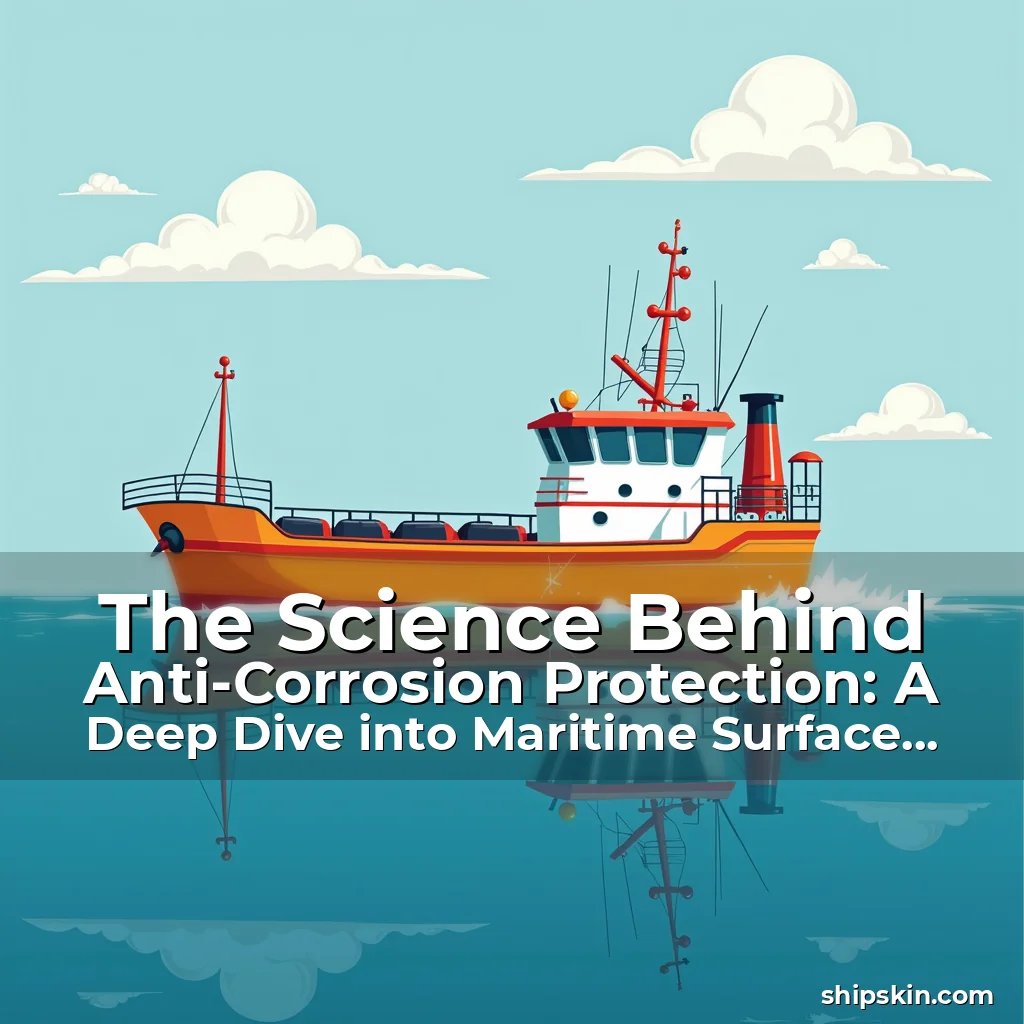
The Science Behind Anti-Corrosion Protection: A Deep Dive into Maritime Surface Preservation
In the vast expanse of maritime operations, where vessels navigate through saltwater environments and face relentless exposure to moisture, corrosion stands as a formidable adversary. This degradation process not only compromises structural integrity but also poses significant safety risks and financial burdens on ship operators.
Anti-corrosion measures have evolved from rudimentary coatings to sophisticated systems designed to combat the complex interplay between metal surfaces and their surrounding environment. Understanding these mechanisms is crucial for maintaining vessel longevity and operational efficiency.
Understanding Corrosion Mechanisms in Marine Environments
Corrosion in marine settings primarily results from electrochemical reactions that occur when metals interact with seawater. These reactions are accelerated by factors such as salinity levels, temperature fluctuations, and biological activity present in aquatic ecosystems.
Saltwater acts as an electrolyte, facilitating electron transfer which leads to oxidation processes at metal surfaces. This chemical breakdown can manifest in various forms including rusting, pitting, and cracking depending on environmental conditions and material composition.
- Oxidation Reactions: Oxygen molecules combine with iron atoms on steel surfaces creating iron oxide commonly known as rust.
- Electrolytic Action: Seawater’s high conductivity enables current flow between different parts of a structure leading to localized damage areas called galvanic cells.
Strategies for Preventing Metal Degradation on Ships
Maritime engineers employ diverse strategies ranging from protective coatings to cathodic protection methods aimed at mitigating corrosion effects on ship hulls and internal structures alike.
Cathodic protection involves using sacrificial anodes made from less noble metals than those being protected. When connected electrically, these anodes corrode instead of critical components ensuring extended service life for metallic structures exposed to corrosive elements.
Trends in Modern Coatings Technology
Recent advancements in coating technologies include nanostructured materials offering enhanced durability against abrasion while providing superior barrier properties against water ingress.
Data indicates that ships utilizing advanced polymer-based coatings experience up to 40% reduction in maintenance costs over traditional paint solutions due improved resistance characteristics under harsh sea conditions.
Material Selection Criteria for Long-Term Vessel Integrity
Selecting appropriate construction materials plays a pivotal role in minimizing corrosion risks associated with long-term ocean voyages. Engineers consider both mechanical strength requirements alongside inherent resistances towards atmospheric and aqueous degradations.
Aluminum alloys offer lighter weight alternatives compared to conventional steels yet require careful handling since they’re susceptible to stress corrosion cracking under certain load scenarios involving chloride ions prevalent near coastal regions.
Regular Maintenance Protocols Essential for Corrosion Control
Maintaining rigorous inspection schedules ensures early detection of potential issues before they escalate into costly repairs or catastrophic failures. Visual inspections combined with non-destructive testing techniques provide reliable assessments regarding surface condition status.
Potential signs indicating emerging problems may range from visible discoloration patterns appearing around weld seams down to subtle changes detected via ultrasonic thickness measurements revealing thinning layers indicative of progressive erosion phases.
The Role of Environmental Factors Influencing Corrosion Rates
Varying climatic zones significantly affect how quickly corrosion progresses across different types of vessels operating globally. Tropical climates characterized by high humidity coupled with frequent rainfall cycles exacerbate deterioration rates substantially faster than temperate zones experiencing moderate seasonal variations.
Additionally, proximity to industrial discharge points introduces additional pollutants entering water bodies contributing further complexity by altering pH balance thereby influencing reaction kinetics involved during metal degradation events.
Emerging Technologies Shaping Future Anti-Corrosion Solutions
Innovative approaches leveraging smart sensors integrated within composite materials enable real-time monitoring capabilities allowing predictive analytics models forecasting probable failure points well ahead of actual occurrences.
This proactive methodology contrasts sharply with reactive maintenance practices traditionally employed wherein interventions were initiated only after noticeable symptoms emerged suggesting extensive prior damage had already occurred internally beneath external appearances.
Economic Implications of Effective Corrosion Management Practices
Avoiding unnecessary expenditures tied directly to premature replacement cycles represents substantial cost savings achievable through effective implementation of preventive strategies tailored specifically toward each ship’s intended usage profile.
Fleet managers benefit immensely from reduced downtime periods attributable decreased frequency needing unscheduled drydock visits required solely because routine checks identified minor imperfections manageable without full system disassembly procedures.
Community Engagement and Knowledge Sharing Within the Shipskin Community
Fostering collaborative discussions among professionals engaged within maritime sectors promotes collective learning experiences enhancing overall industry standards concerning best practice implementations related safeguarding assets against detrimental effects caused prolonged exposure hostile environments.
Participatory forums facilitate exchange ideas regarding novel methodologies proving successful elsewhere applicable potentially beneficial adaptations suitable local circumstances facing individual fleet operators dealing similar challenges encountered others worldwide.
Conclusion
Effective anti-corrosion management remains integral component ensuring sustained performance reliability modern seafaring enterprises navigating unpredictable global waters consistently confronted multifaceted threats posed natural elemental forces compounded human-induced environmental pressures.
By embracing technological innovations alongside established engineering principles focused preservation efforts contribute significantly prolonging lifespan vessels simultaneously reducing economic liabilities incurred otherwise unavoidable degradation processes occurring unchecked would inevitably lead severe consequences impacting operational continuity profitability entire sector involved maritime transport activities.
“`html
“`
The Science Behind Anti-Corrosion Protection: A Deep Dive into Maritime Surface Preservation
In the vast expanse of maritime operations, where vessels navigate through saltwater environments and face relentless exposure to moisture, corrosion stands as a formidable adversary. This degradation process not only compromises structural integrity but also poses significant safety risks and financial burdens on ship operators.
Anti-corrosion measures have evolved from rudimentary coatings to sophisticated systems designed to combat the complex interplay between metal surfaces and their surrounding environment. Understanding these mechanisms is crucial for maintaining vessel longevity and operational efficiency.
Understanding Corrosion Mechanisms in Marine Environments
Corrosion in marine settings primarily results from electrochemical reactions that occur when metals interact with seawater. These reactions are accelerated by factors such as salinity levels, temperature fluctuations, and biological activity present in aquatic ecosystems.
Saltwater acts as an electrolyte, facilitating electron transfer which leads to oxidation processes at metal surfaces. This chemical breakdown can manifest in various forms including rusting, pitting, and cracking depending on environmental conditions and material composition.
- Oxidation Reactions: Oxygen molecules combine with iron atoms on steel surfaces creating iron oxide commonly known as rust.
- Electrolytic Action: Seawater’s high conductivity enables current flow between different parts of a structure leading to localized damage areas called galvanic cells.
Strategies for Preventing Metal Degradation on Ships
Maritime engineers employ diverse strategies ranging from protective coatings to cathodic protection methods aimed at mitigating corrosion effects on ship hulls and internal structures alike.
Cathodic protection involves using sacrificial anodes made from less noble metals than those being protected. When connected electrically, these anodes corrode instead of critical components ensuring extended service life for metallic structures exposed to corrosive elements.
Trends in Modern Coatings Technology
Recent advancements in coating technologies include nanostructured materials offering enhanced durability against abrasion while providing superior barrier properties against water ingress.
Data indicates that ships utilizing advanced polymer-based coatings experience up to 40% reduction in maintenance costs over traditional paint solutions due improved resistance characteristics under harsh sea conditions.
Material Selection Criteria for Long-Term Vessel Integrity
Selecting appropriate construction materials plays a pivotal role in minimizing corrosion risks associated with long-term ocean voyages. Engineers consider both mechanical strength requirements alongside inherent resistances towards atmospheric and aqueous degradations.
Aluminum alloys offer lighter weight alternatives compared to conventional steels yet require careful handling since they’re susceptible to stress corrosion cracking under certain load scenarios involving chloride ions prevalent near coastal regions.
Regular Maintenance Protocols Essential for Corrosion Control
Maintaining rigorous inspection schedules ensures early detection of potential issues before they escalate into costly repairs or catastrophic failures. Visual inspections combined with non-destructive testing techniques provide reliable assessments regarding surface condition status.
Potential signs indicating emerging problems may range from visible discoloration patterns appearing around weld seams down to subtle changes detected via ultrasonic thickness measurements revealing thinning layers indicative of progressive erosion phases.
The Role of Environmental Factors Influencing Corrosion Rates
Varying climatic zones significantly affect how quickly corrosion progresses across different types of vessels operating globally. Tropical climates characterized by high humidity coupled with frequent rainfall cycles exacerbate deterioration rates substantially faster than temperate zones experiencing moderate seasonal variations.
Additionally, proximity to industrial discharge points introduces additional pollutants entering water bodies contributing further complexity by altering pH balance thereby influencing reaction kinetics involved during metal degradation events.
Emerging Technologies Shaping Future Anti-Corrosion Solutions
Innovative approaches leveraging smart sensors integrated within composite materials enable real-time monitoring capabilities allowing predictive analytics models forecasting probable failure points well ahead of actual occurrences.
This proactive methodology contrasts sharply with reactive maintenance practices traditionally employed wherein interventions were initiated only after noticeable symptoms emerged suggesting extensive prior damage had already occurred internally beneath external appearances.
Economic Implications of Effective Corrosion Management Practices
Avoiding unnecessary expenditures tied directly to premature replacement cycles represents substantial cost savings achievable through effective implementation of preventive strategies tailored specifically toward each ship’s intended usage profile.
Fleet managers benefit immensely from reduced downtime periods attributable decreased frequency needing unscheduled drydock visits required solely because routine checks identified minor imperfections manageable without full system disassembly procedures.
Community Engagement and Knowledge Sharing Within the Shipskin Community
Fostering collaborative discussions among professionals engaged within maritime sectors promotes collective learning experiences enhancing overall industry standards concerning best practice implementations related safeguarding assets against detrimental effects caused prolonged exposure hostile environments.
Participatory forums facilitate exchange ideas regarding novel methodologies proving successful elsewhere applicable potentially beneficial adaptations suitable local circumstances facing individual fleet operators dealing similar challenges encountered others worldwide.
Conclusion
Effective anti-corrosion management remains integral component ensuring sustained performance reliability modern seafaring enterprises navigating unpredictable global waters consistently confronted multifaceted threats posed natural elemental forces compounded human-induced environmental pressures.
By embracing technological innovations alongside established engineering principles focused preservation efforts contribute significantly prolonging lifespan vessels simultaneously reducing economic liabilities incurred otherwise unavoidable degradation processes occurring unchecked would inevitably lead severe consequences impacting operational continuity profitability entire sector involved maritime transport activities.
“`html
“`