The Ultimate Armor: Understanding Hull Protection Systems in Modern Shipbuilding
Hull protection is the unsung hero of maritime safety, ensuring that vessels from humble fishing boats to colossal aircraft carriers remain seaworthy against nature’s fury and human threats. As global shipping networks expand and naval technologies evolve, the importance of robust hull protection systems has never been greater.
In an era where cyberattacks can cripple onboard systems and climate change intensifies oceanic turbulence, modern hull designs integrate advanced materials and innovative engineering solutions to safeguard both cargo and crew. This article delves deep into the world of hull protection, exploring its historical roots, technological advancements, and future directions.
The Evolution of Hull Protection: From Wooden Planking to Advanced Composites
The history of hull protection dates back thousands of years when early seafarers used natural materials like wood and animal hides to shield their vessels from rough seas. These primitive methods laid the foundation for more sophisticated techniques as shipbuilding evolved through the ages.
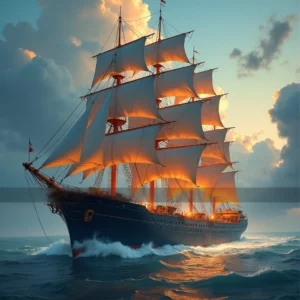
By the time of the Age of Sail, wooden hulls were reinforced with iron nails and copper sheathing to resist marine growth and cannon fire. However, these innovations came at a cost—increased weight that slowed down sailing vessels during critical moments.
With the Industrial Revolution, steel emerged as the dominant material for hull construction. This transition marked a significant leap forward in durability and strength but introduced new challenges related to corrosion resistance and maintenance requirements.
Todays’ naval architects face even more complex demands than ever before. They must design hulls capable of withstanding not only traditional threats such as icebergs and torpedoes but also emerging risks including underwater drones and electromagnetic pulses.
- Wooden planks: Early civilizations relied heavily on hardwood species known for their resilience against rotting caused by prolonged exposure to saltwater environments.
- Copper sheathing: Used extensively during the Napoleonic Wars, copper sheets protected wooden warships from barnacle buildup while providing some degree of armor against enemy projectiles.
- Steel reinforcement: Modern submarines employ layered steel plates combined with titanium alloys to create pressure-resistant compartments essential for deep-sea operations.
- Composite materials: Fiber-reinforced polymers offer lightweight alternatives without compromising structural integrity making them ideal choices for high-speed patrol boats operating under extreme conditions.
Modern Materials Science: Engineering Resilience Against Environmental Threats
Contemporary hull protection strategies leverage cutting-edge materials science breakthroughs aimed at enhancing longevity and performance across diverse operational scenarios. Researchers continuously experiment with novel composites designed specifically for maritime applications.
One notable advancement involves the development of self-healing coatings applied over metallic surfaces which actively repair microcracks upon contact with seawater thereby extending service life significantly compared to conventional paint treatments alone.
Additionally, nanotechnology plays an increasingly vital role within this domain; nanostructured films exhibit remarkable hydrophobic properties helping prevent biofouling organisms from adhering to submerged structures thus reducing drag forces acting upon moving vessels.
Metallic alloys continue evolving too—with zirconium-based steels showing exceptional corrosion resistance characteristics particularly beneficial when deployed near highly saline coastal regions prone to frequent storms.
Structural Design Innovations: Building Ships That Can Weather Any Storm
A well-engineered hull structure forms the backbone of any successful vessel regardless of size or purpose. Engineers utilize various design philosophies ranging from monohulls characterized by single central keel lines to catamaran configurations featuring dual parallel hulls offering enhanced stability features.
Monohull designs typically provide superior speed capabilities due to streamlined shapes minimizing water displacement however they may require additional ballast adjustments during turbulent weather events unlike multi-hulled counterparts that naturally distribute loads evenly among several points along their lengthwise axis.
Catamarans excel in situations requiring increased space utilization aboard smaller platforms since twin hulls allow wider decks without sacrificing overall buoyancy levels achieved via carefully calculated trim angles maintained throughout voyages.
Beyond basic geometric considerations lie more intricate elements such as bulbous bows strategically placed ahead of propellers to reduce wave-making resistance improving fuel efficiency metrics substantially especially noticeable on long-range freighter ships traversing vast open oceans daily.
Advanced Computational Modeling Techniques
Computer simulations have revolutionized how engineers approach hull design allowing precise predictions regarding stress distribution patterns subjected to varying environmental pressures encountered worldwide waters alike.
Finite element analysis software enables virtual testing phases prior actual fabrication stages saving considerable time money resources otherwise spent conducting physical trials involving full-scale prototypes susceptible damage risks inherent real-world conditions.
Moreover these digital tools facilitate rapid prototyping cycles enabling iterative improvements based empirical data gathered through simulated crash tests collision scenarios replicating realistic accident circumstances experienced commercial fleets regularly.
This computational prowess extends beyond mere theoretical exercises influencing final product specifications determining everything from weld seam locations optimal placement bulkheads reinforcing critical junction areas crucial maintaining watertight seals preventing catastrophic flooding incidents.
Safety Protocols & Emergency Response Measures
Despite best efforts towards creating impervious barriers surrounding internal spaces aboard ships effective contingency plans remain indispensable components emergency preparedness frameworks adopted globally maritime industries today.
Vessel operators implement rigorous inspection schedules utilizing non-destructive evaluation techniques like ultrasonic thickness gauging magnetic particle inspection ensuring timely identification potential weaknesses before developing serious issues threatening operational continuity.
Emergency response protocols include designated watertight compartment isolation procedures activated automatically whenever sensors detect unexpected ingress external fluids possibly originating breaches elsewhere ship’s framework.
Training programs emphasize swift coordination amongst crew members familiarizing themselves standard operating procedures governing evacuation drills firefighting measures sealing off affected zones prioritization rescue missions depending severity scale unfolding crisis situation.
Environmental Considerations in Hull Protection Strategies
Eco-conscious approaches now shape contemporary discussions around sustainable practices integrated into hull protection methodologies aiming minimize ecological footprints associated extensive maritime activities conducted annually across planet Earths oceans.
Biodegradable antifouling paints represent one promising innovation replacing toxic tributyltin compounds previously favored despite harmful effects aquatic ecosystems exposed continuous leaching substances dissolving slowly over decades accumulating dangerous concentrations local wildlife populations nearby ports facilities.
Energy-efficient propulsion systems paired optimized hull geometries contribute lowering carbon emissions generated transporting goods services performed countless vessels navigating international trade routes every day contributing cumulative greenhouse gases atmosphere.
Furthermore regulations mandating strict adherence environmentally friendly standards apply newly constructed crafts retrofitted older models aligning industry expectations governmental policies promoting cleaner healthier seas accessible generations yet unborn.
Future Trends Shaping Next Generation Hull Protection Technologies
Rapid developments occurring artificial intelligence robotics fields promise transformative changes upcoming decades affecting how we perceive protect vessels against myriad threats posed changing landscapes global navigation infrastructure.
Predictive analytics powered machine learning algorithms could enable proactive maintenance scheduling identifying component degradation trends long before visible signs manifesting observable symptoms requiring immediate intervention actions.
Autonomous repair bots equipped precision tools might soon perform routine inspections patch minor damages remotely eliminating need manual labor crews descending hazardous confined spaces potentially exposing themselves unsafe working conditions.
Quantum computing advances stand poised unlock unprecedented possibilities optimizing hull design parameters simultaneously considering hundreds variables impacting fluid dynamics performance criteria hitherto unattainable conventional processing speeds limitations.
Case Studies: Real-World Applications of Hull Protection Systems
An examination of recent maritime disasters reveals invaluable lessons learned concerning effectiveness current hull protection implementations facing unpredictable challenges posed Mother Nature plus unforeseen man-made hazards sometimes occurring simultaneously exacerbating overall risk profiles involved.
The Costa Concordia incident highlighted vulnerabilities existing passenger cruise liner infrastructures prompting renewed emphasis strengthening bow structures incorporating shock-absorbing features designed mitigate impact forces resulting capsizing events.
Similarly investigations following grounding incidents involving container ships underscored necessity adopting double-bottom tank arrangements containing spills oil fuels contained within secondary chambers reducing likelihood leakage reaching sensitive coastal habitats vulnerable contamination outbreaks.
These case studies serve reminders why ongoing research investment remains crucial advancing field hull protection technology ensuring continued progress toward safer more resilient fleet compositions serving humanity needs expanding horizons exploration commerce defense sectors alike.
Community Engagement & Knowledge Sharing Within the Shipskin Community
Active participation members Shipskin community fosters vibrant exchange ideas experiences shaping collective understanding hull protection principles applicable wide range vessel types sizes purposes served marine environment.
Regularly scheduled webinars workshops organized enthusiasts professionals alike promote deeper dives technical aspects material sciences behind constructing durable resilient hulls capable enduring harshest conditions encountered open seas.
Collaborative projects initiated within this network encourage experimentation alternative materials testing prototypes designed enhance sustainability efficiency traditionally accepted norms established centuries past.
Furthermore shared repositories housing downloadable blueprints schematics serve educational resources students educators seeking grasp fundamental concepts underlying complex engineering processes integral designing manufacturing phase production cycle any given shipbuilding project undertaken anywhere world.
Conclusion
Hull protection stands at intersection innovation tradition playing pivotal role preserving lives assets entrusted care those who sail upon worlds oceans. Through relentless pursuit excellence driven passion discovery, our knowledge continues growing richer broader encompassing multidisciplinary perspectives necessary tackling multifaceted problems confronting maritime industry present tomorrow.
As we move forward embracing latest scientific breakthroughs collaborative spirit prevailing Shipskin community will undoubtedly lead charge ushering era smarter stronger safer vessels ready meet whatever challenges await horizon. Together, let us build a legacy worthy remembering generations come.