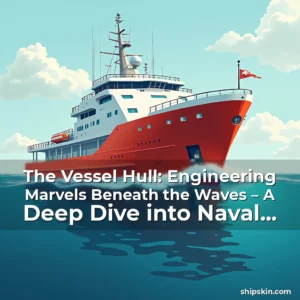
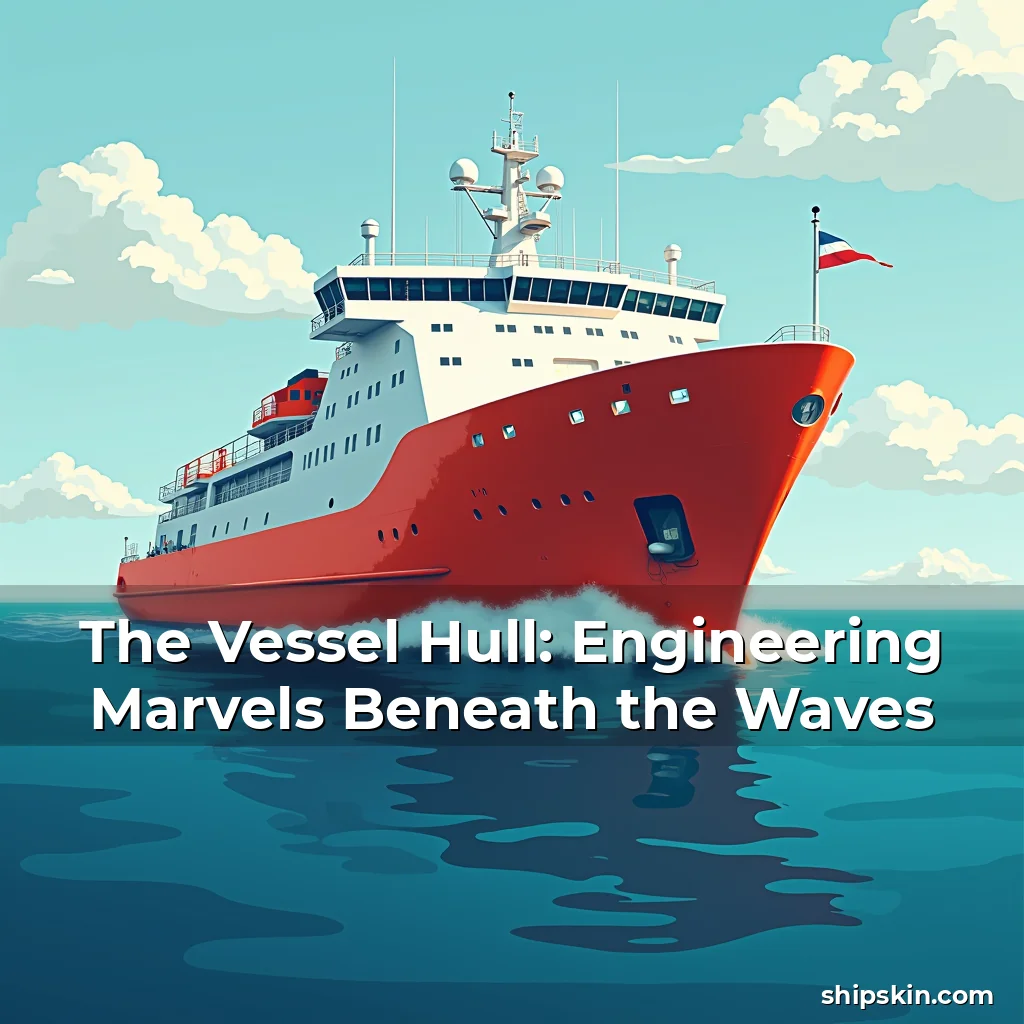
The Vessel Hull: Engineering Marvels Beneath the Waves
In the intricate world of maritime engineering, few components are as vital as the vessel hull. This foundational structure not only defines a ship’s identity but also ensures its survival against nature’s relentless forces.
The design and construction of a vessel hull involve complex interactions between hydrodynamics, materials science, and structural integrity. These elements collectively determine how well a ship performs under various sea conditions.
Understanding the Anatomy of a Vessel Hull
A vessel hull is essentially the watertight body of a ship that provides buoyancy and protects internal systems from water ingress. It serves as both the skeleton and skin of any floating craft.
Hull structures typically consist of three primary parts: the bow, midship, and stern. The bow is the front portion designed to cut through waves efficiently, while the stern at the rear maintains stability during motion.
Beneath these visible segments lies an elaborate network of frames, plating, and longitudinal members working together to distribute loads evenly across the entire length of the ship.
Materials Used in Modern Hull Construction
Steel remains the most common material used in constructing commercial vessel hulls due to its strength-to-weight ratio and cost-effectiveness. However, advancements in composite technologies have introduced new possibilities.
Aluminum alloys offer lighter alternatives suitable for high-speed vessels where reducing weight translates directly into improved fuel efficiency. Specialized polymers provide corrosion resistance crucial for naval applications.
Emerging trends include hybrid constructions combining traditional steel with reinforced plastics or carbon fiber composites to achieve optimal performance characteristics.
- Steel: Offers superior durability and load-bearing capacity making it ideal for large cargo carriers and tankers.
- Aluminum: Lighter than steel which allows faster speeds but requires careful maintenance to prevent fatigue cracks over time.
Different Types of Hull Designs
Variations in hull shape significantly impact a vessel’s maneuverability, speed, and fuel consumption rates. Broadly categorized designs range from monohulls to catamarans and trimarans.
Monohulls feature single continuous hulls that provide excellent stability even when carrying heavy loads. They remain popular among freighters due to their ability to transport substantial volumes efficiently.
Catamaran designs utilize twin hulls separated by a wide beam providing enhanced stability without sacrificing speed capabilities compared to conventional monohulls.
Trimaran configurations add another outrigger hull offering additional lateral support beneficial for racing yachts aiming for maximum velocity combined with minimal drag.
Structural Components of a Ship’s Hull
The backbone of any ship lies within its frame system consisting primarily of transverse and longitudinal stiffeners arranged systematically along the hull’s interior surface.
Transverse frames run perpendicular to the keel line forming discrete compartments essential for maintaining shape under stress conditions encountered during rough seas.
Longitudinal girders extend from bow to stern reinforcing overall rigidity necessary for enduring constant vibrations caused by wave action and engine operations.
These skeletal frameworks work synergistically with outer plating layers composed mainly of rolled steel sheets welded precisely according to strict dimensional tolerances set by classification societies worldwide.
Hydrodynamic Considerations in Hull Design
Optimizing fluid dynamics plays a critical role in determining propulsion requirements and operational costs associated with running a vessel. Smooth contours reduce turbulence thereby minimizing energy expenditure required for forward movement.
Curved surfaces around bulbous bows help redirect incoming water flow patterns decreasing resistance experienced at higher speeds thus contributing towards better fuel economy figures reported annually by shipping companies globally.
Computer simulations using Computational Fluid Dynamics (CFD) software allow engineers to test numerous virtual prototypes before committing resources toward physical model testing procedures.
This digital prototyping phase enables identification of potential inefficiencies early allowing adjustments that could save millions later through reduced drag coefficients achieved post-modifications.
Corrosion Protection Strategies for Marine Structures
Maintaining structural integrity against relentless assault from saltwater necessitates robust anti-corrosive measures integrated right from initial fabrication stages up until regular servicing intervals throughout service life spans.
Zinc-rich coatings applied via thermal spraying techniques form sacrificial barriers preventing direct contact between corrosive agents present in seawater and underlying metal substrates.
Cathodic protection systems employing impressed current methods ensure continuous electrochemical shielding mechanisms actively combatting oxidation processes detrimental to long-term reliability expectations held by operators.
Periodic inspections utilizing ultrasonic thickness gauging equipment help monitor degradation levels enabling timely interventions before compromising safety margins established by regulatory bodies overseeing maritime industries internationally.
Safety Standards Governing Hull Fabrication Processes
International Maritime Organization (IMO) regulations dictate minimum standards ensuring every constructed hull meets specified criteria regarding fire resistance, watertight integrity, and collision avoidance protocols.
Classification societies such as Lloyd’s Register conduct rigorous audits verifying compliance with technical specifications covering everything from weld quality checks to non-destructive testing methodologies employed during final assembly phases.
All fabricated units must pass stringent pressure tests simulating worst-case scenarios involving sudden immersion depths exceeding normal operating ranges expected aboard typical seafaring expeditions undertaken regularly by global fleets.
Documentation trails maintained meticulously throughout production cycles serve dual purposes: satisfying legal obligations imposed upon manufacturers while simultaneously facilitating future retrofitting efforts aimed at enhancing existing fleet capabilities incrementally over years following commissioning dates.
Evolving Trends Shaping Future Hull Technologies
Ongoing research initiatives focused on sustainable development goals increasingly influence contemporary approaches adopted within marine architecture circles today. Innovations targeting zero-emission targets drive experimentation with alternative power sources compatible with evolving environmental mandates.
Autonomous navigation features embedded within smart hull sensors continuously collect real-time data streams analyzing propeller efficiencies alongside hull condition assessments automatically flagging areas requiring attention without human intervention needed whatsoever.
Modular construction techniques facilitate easier replacements allowing individual sections upgraded independently rather than rebuilding entire platforms whenever technological breakthroughs occur periodically within dynamic markets characterizing modern transportation sectors comprehensively.
Integration of renewable energy harvesting systems mounted atop superstructures convert wind kinetic energies captured effectively supplementing onboard electrical grids substantially lowering dependency ratios traditionally observed concerning fossil-fuel based generators installed conventionally inside engine rooms located centrally positioned beneath deck level accommodations provided exclusively crew members reside temporarily during voyages spanning weeks sometimes months depending upon destinations charted ahead initially planned prior embarkment commencement events.
Conclusion
The vessel hull stands as testament to centuries-old ingenuity married seamlessly with cutting-edge innovations defining current era achievements witnessed daily amidst bustling ports scattered strategically around planet Earth’s coastlines.
By understanding fundamental principles governing successful hull construction practices coupled with embracing emerging technologies poised to revolutionize tomorrow’s maritime landscape, stakeholders can look forward confidently anticipating continued progress benefiting not only industry professionals engaged deeply within field but also wider communities reliant indirectly yet profoundly upon reliable ocean-going infrastructure networks sustaining international trade flows uninterrupted despite challenges posed inherently by unpredictable weather phenomena occurring naturally beyond control exerted solely by mankind attempting constantly to tame vast expanses covered predominantly by endless blue horizons stretching infinitely far away from landmasses familiar home territories inhabited originally by countless generations preceding us now living comfortably thanks largely due contributions made tirelessly behind scenes by unsung heroes laboriously crafting those silent giants silently gliding gracefully through turbulent waters guided skillfully expert hands navigating safely back shores once departed leaving memories behind carried gently along currents whispering stories waiting patiently for someone attentive enough to listen closely seeking wisdom hidden deep within each rivet fastened securely onto metal plates forming ultimately beautiful symphony known universally simply referred commonly amongst sailors worldwide affectionately termed “the vessel hull.”